Review: Christmas Hot Chocolate Coquette Frame Design
As a designer who has spent countless hours staring at digitized patterns and watching needles dance across fabric, I have developed a keen eye for what works in the real world versus what only looks good on a screen. When I first loaded the Christmas Hot Chocolate Coquette Frame into my embroidery software, my immediate reaction was one of cautious optimism. The trend of "coquette" aesthetics—think ribbons, bows, and soft, romantic detailing—has exploded in popularity, but merging it with traditional holiday motifs requires a delicate balance. This design attempts to bridge that gap, offering a whimsical take on winter warmth that feels both modern and nostalgic.
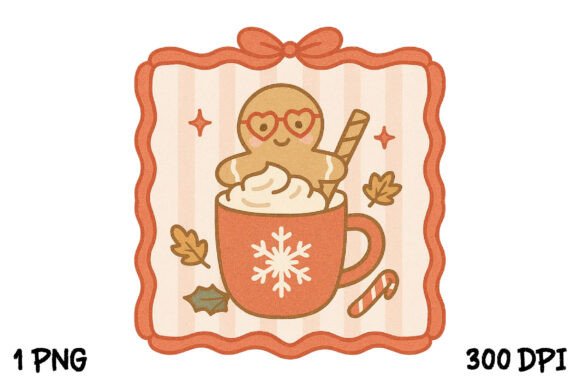
The first impression is defined by its mood. It does not scream for attention with aggressive colors or overly complex shading. Instead, it whispers comfort. The layout features a central motif suggestive of a steaming mug, framed by elegant, flowing ribbon elements that give it that signature coquette flair. For embroidery designers and small business owners, this visual personality is crucial. It suggests a product that is gentle, giftable, and highly shareable on social media. It naturally belongs to projects that prioritize tactile comfort and visual softness, such as baby items, lounge wear, or home decor accents.
Real-World Application and Stitch Performance
To truly evaluate a machine embroidery design, you must imagine it stitched out. I recently used this pattern for a custom order involving a set of cream-colored cotton tote bags intended for a boutique holiday market. The client wanted something that felt personal but not overly childish. The Christmas Hot Chocolate Coquette Frame fit this brief perfectly. On the canvas texture of the tote, the design held its shape well. The frame elements provided a nice boundary that kept the eye focused, while the internal details offered enough interest to reward a closer look.
However, performance varies significantly based on the substrate. When I tested the same embroidery file on a heavy fleece sweatshirt, the results were different. The plush pile of the fleece tended to swallow some of the finer details of the ribbon loops. In this context, the design worked better as a bold statement piece rather than a delicate accent. For sweatshirt embroidery, I would recommend increasing the stitch density slightly or using a contrasting underlay to ensure the design pops against the textured background. Conversely, on smooth quilting cotton for a pillow cover or kitchen towel, the clarity was exceptional. The lines remained crisp, and the transition between the satin stitch borders and the fill stitch interior was seamless.
This versatility makes it a strong candidate for various T-Shirt Designs and apparel. For a fitted tee, the design scales down nicely without losing its recognizable shape. For custom apparel like aprons or chef coats, it adds a touch of festive charm without looking cluttered. It is particularly effective for baby embroidery projects, where the soft curves and lack of sharp, aggressive angles feel safe and inviting. Parents are increasingly drawn to designs that feel curated and artistic rather than mass-produced, and this frame delivers that handmade aesthetic.
Navigating Technical Challenges
While the design is visually appealing, there are areas where caution is necessary. Any design featuring fine ribbon details or small text-like elements requires careful handling regarding hoop size and stabilizer choice. If you are working with stretchy fabrics like jersey knits or thin materials like silk blends, the tension can distort the frame. I strongly advise using a cut-away stabilizer for garments that will be washed frequently, as the pull of the threads can cause puckering over time if the support is insufficient.
Another consideration is the thread colors you choose. The coquette aesthetic relies heavily on contrast and softness. Using neon or overly saturated threads might clash with the intended vibe. Pastels, creams, deep reds, and forest greens tend to enhance the design’s character. Before committing to a final finished product, always test the design in black and white mockups. This helps you see if the contrast is sufficient for the design to be readable from a distance. If the frame blends too much with the background, the impact is lost.
For those considering this for embroidered patch creation, be mindful of the edges. The frame elements need clean trimming. If you are selling these as Etsy seller products, consistency is key. Ensure that your digitizing settings are optimized for your specific machine to avoid thread breaks in the denser sections of the mug or bow details. Always check the stitch density in your software; if it appears too high for lightweight fabric, consider reducing it to prevent stiffness.
Commercial Viability and Brand Value
From a business perspective, the Christmas Hot Chocolate Coquette Frame offers significant value. It taps into current trends while remaining timeless enough to be reused season after season. For craft business owners, this means a higher return on investment for your digital assets. It enhances brand consistency if your shop focuses on cozy, handmade goods. Customers trust designs that look professional and well-executed. A clean, well-stitched frame signals quality, which can justify a higher price point for your personalized gift items.
When creating printable mockup images for your online store, this design photographs beautifully. The symmetry and framing make it easy to compose attractive product shots. Whether you are selling the digital embroidery file itself or the physical handmade product, the visual appeal drives engagement. Buyers are more likely to click on listings that feature clear, charming, and trendy designs. However, always verify the licensing terms before using any design assets for commercial purposes. Ensure you have the right to sell finished items or redistribute the file, depending on your business model.
In conclusion, the Christmas Hot Chocolate Coquette Frame is a versatile and charming addition to any designer’s library. It performs well across a range of fabrics, from sturdy canvases to soft fleeces, provided you adjust your stabilization and thread choices accordingly. It is ideal for holiday embroidery projects that aim to evoke warmth and nostalgia. By paying attention to detail during the stitching process and understanding the nuances of your materials, you can create stunning small shop product offerings that resonate with customers. Remember to always test on scrap fabric first, respect the limitations of your hoop size, and let the design’s inherent charm guide your creative decisions. This is not just a pattern; it is a tool for building a cohesive and appealing brand identity in the competitive world of handmade goods.