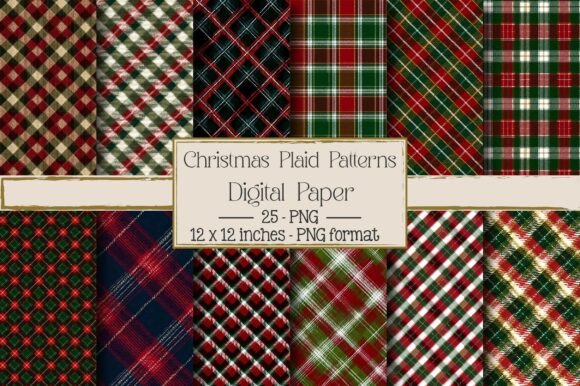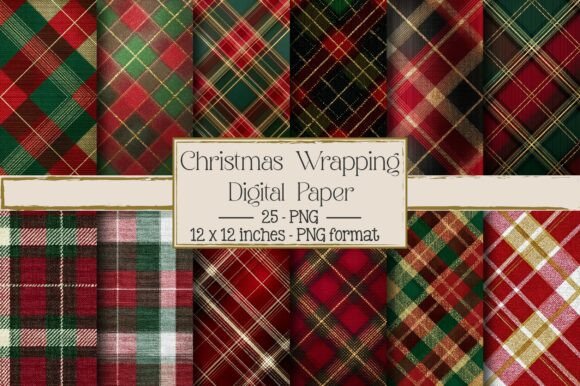
Christmas Wrapping Paper Patterns Review
As a digital product creator who has spent years navigating the seasonal rush on platforms like Etsy and Creative Fabrica, I approach every new graphic design asset with a critical eye. The holiday season is lucrative, but it is also saturated. Success depends not just on having festive content, but on having versatile, high-quality assets that can be adapted across multiple product lines. Recently, I evaluated a specific collection titled Christmas Wrapping Paper to determine its viability for my upcoming winter catalog. This review breaks down the practical application of these Patterns for online selling, commercial product creation, and brand consistency.
First Impressions and Visual Personality
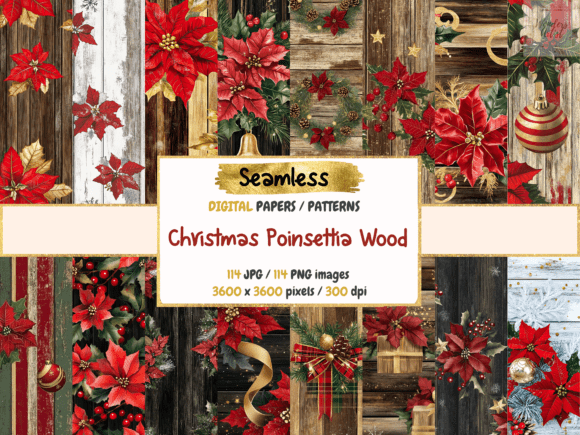
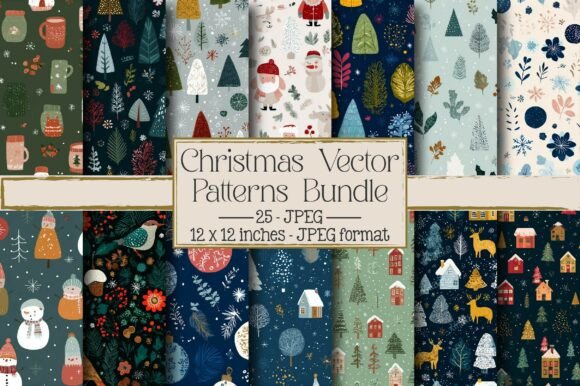
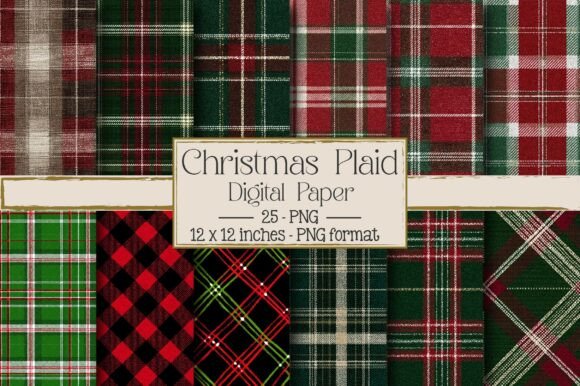
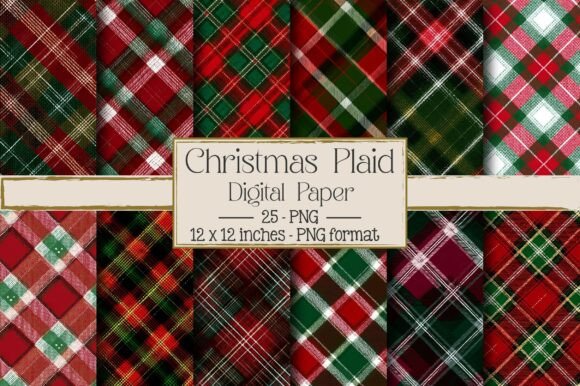
The initial appeal of this Christmas Wrapping Paper set lies in its balanced aesthetic. It avoids the trap of being overly childish or excessively ornate, striking a middle ground that feels both modern and traditionally festive. The mood is warm and inviting, leaning towards a handmade, rustic charm rather than a slick, corporate minimalism. This visual personality is crucial because it attracts a broad demographic: from parents looking for cute nursery prints to adults seeking elegant greeting cards.
For sellers, this versatility is a significant advantage. The design elements are distinct enough to stand out in a crowded creative marketplace, yet subtle enough to serve as a background without overpowering foreground text. Whether you are aiming for a playful vibe for kids’ products or a sophisticated look for premium stationery, these patterns provide a solid foundation. The color palette is rich but not overwhelming, ensuring that the assets remain relevant across various small business branding styles.
Practical Applications for Digital Sellers
The true value of any digital product is measured by its adaptability. During my testing phase, I explored how these wrapping paper designs could be repurposed beyond their intended use. Here is how they perform across different product categories:
- Printable Design Products: The seamless nature of the patterns makes them ideal for digital paper packs. Customers can use them for scrapbooking kits, planner stickers, or printable wall art. The resolution holds up well for standard home printing, which is a key requirement for digital download buyers.
- Sublimation and Merchandise: When applied to mockups for mugs and tumblers, the repeating motifs create a cohesive wrap-around effect. This is particularly useful for sublimation design projects where edge-to-edge coverage is necessary. The colors translate well to ceramic and metal surfaces, maintaining vibrancy after printing.
- Cricut and Silhouette Projects: For crafters using cutting machines, these designs work excellently as fill patterns for shapes. You can create intricate sticker designs or decorative layers for greeting cards. However, it is essential to check the complexity of the lines if you plan to use them for intricate cut-outs.
- Canva Templates: Integrating these backgrounds into Canva template bundles adds immediate perceived value. They serve as ready-made backdrops for social media graphics, blog headers, and promotional visuals, saving end-users time and effort.
Enhancing Product Presentation and Trust
In the world of online selling, visual hierarchy and presentation are everything. Using Christmas Wrapping Paper in your product mockups can significantly boost click-through potential. When creating listing images for an Etsy product, I found that using these patterns as a subtle background texture helped frame the main subject without distracting from it. This technique enhances brand consistency and tells a visual story that resonates with holiday shoppers.
Moreover, incorporating these assets into your packaging design or thank-you cards can elevate the unboxing experience for physical products. Even if you are a print-on-demand seller who never touches the inventory, offering digital bonuses like matching gift wrap files can increase customer satisfaction and encourage positive reviews. It signals attention to detail and reinforces the professional image of your handmade business.
Strategic Placement and Cautionary Notes
While these assets are robust, they are not universally applicable without adjustment. Understanding where to use them—and where to exercise caution—is vital for maintaining quality standards.
Best Use Cases:
- Large Format Prints: The patterns shine in larger formats like tote bag prints or poster backgrounds where the details are visible and appreciated.
- Themed Bundles: Combine these with complementary fonts and icons to create comprehensive design bundles. This increases the average order value and provides more utility to the buyer.
- Social Media Promos: Use the patterns to create eye-catching Instagram stories or Pinterest pins during the holiday marketing push.
Areas for Caution:
- Tiny Details: Avoid using these patterns for very small sticker designs or favicon-sized icons. The intricate details may become muddy or indistinguishable at reduced sizes.
- Text-Heavy Layouts: If you are designing invitations or flyers with substantial text, ensure there is sufficient contrast. You may need to lower the opacity of the pattern or add a solid overlay to maintain readability.
- Dark Backgrounds: Test the colors on dark modes or black backgrounds. Some festive hues may lose their vibrancy or clash with dark themes, affecting the overall visual hierarchy.
- Cutting Lines: For Cricut project users, ensure that the SVG files have clean paths. Complex patterns can sometimes cause cutting errors if the nodes are too dense. Always perform a test cut before mass production.
Technical Checks and Seller Best Practices
Before publishing any listing featuring Christmas Wrapping Paper, rigorous technical checks are non-negotiable. First, verify the file resolution. For print products, 300 DPI is the standard; anything less may result in pixelated outputs that lead to refunds. Second, inspect the PNG design files for proper transparency. A clean alpha channel ensures that the pattern integrates seamlessly into layered compositions without unwanted white boxes.
Typography pairing is another critical consideration. These patterns pair well with a mix of serif fonts for elegance, sans serif fonts for modern clarity, and script or handwritten fonts for a personal touch. Experiment with different typefaces to see which enhances the festive mood without competing with the illustration. Additionally, always confirm the terms of the commercial license. Ensure that you are allowed to sell finished products created with these assets, especially if you are operating on platforms with strict intellectual property guidelines.
Finally, organize your files clearly for your customers. Include a readme file with usage tips, font recommendations, and links to support. This level of professionalism builds trust and reduces customer service inquiries. By treating these design assets as part of a broader ecosystem of tools, you can create a cohesive and profitable holiday collection. Whether you are a seasoned designer or a new entrepreneur, integrating high-quality patterns like these can streamline your workflow and enhance the commercial appeal of your offerings.